×

Reference Material
Tips and Mnemonics:
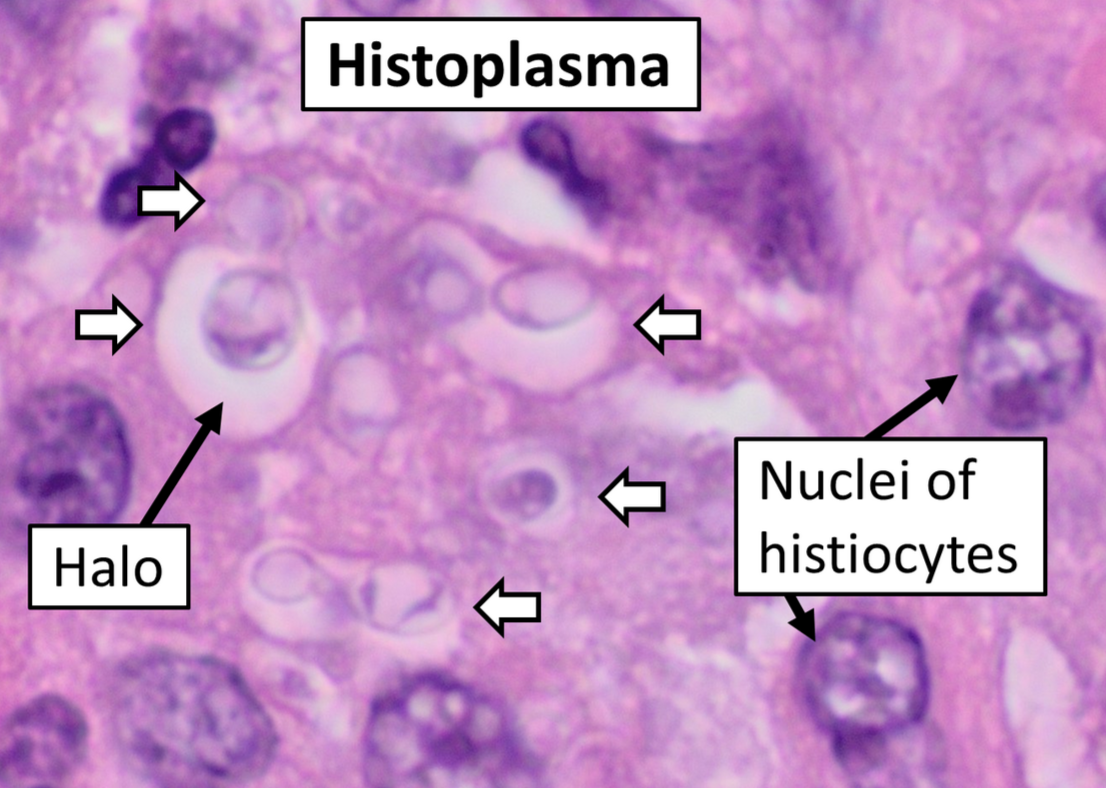
- Histoplasma: Histo Hides (within macrophages). Smaller than red blood cells.
- Blastomyces: Blasto is Big and Broad-based (budding). Same size as red blood cells.
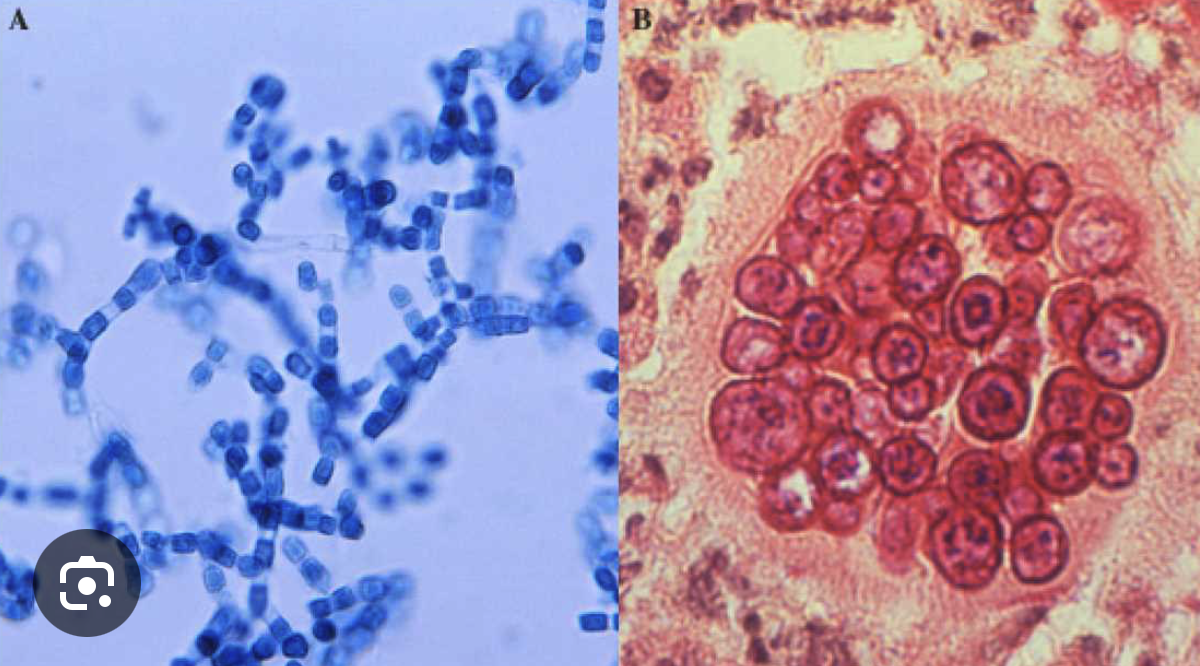
- Coccidioides: Coccidio is a Cocktail of endospores (inside a spherule). Much larger than red blood cells.
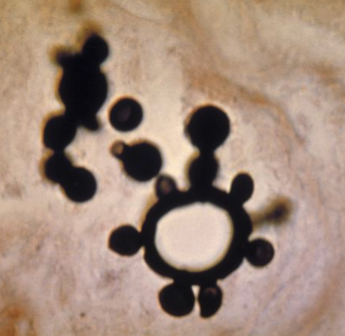
- Paracoccidioides: Paracoccidio Pirate ship (Captain's wheel appearance).
- Sporothrix: Think of a rose gardener (rose gardener's disease) with a cigar (cigar-shaped yeast).
Click on any diagram to zoom in:
| Fungal species | Epidemiology | Clinical presentation | Laboratory diagnosis |
|---|---|---|---|
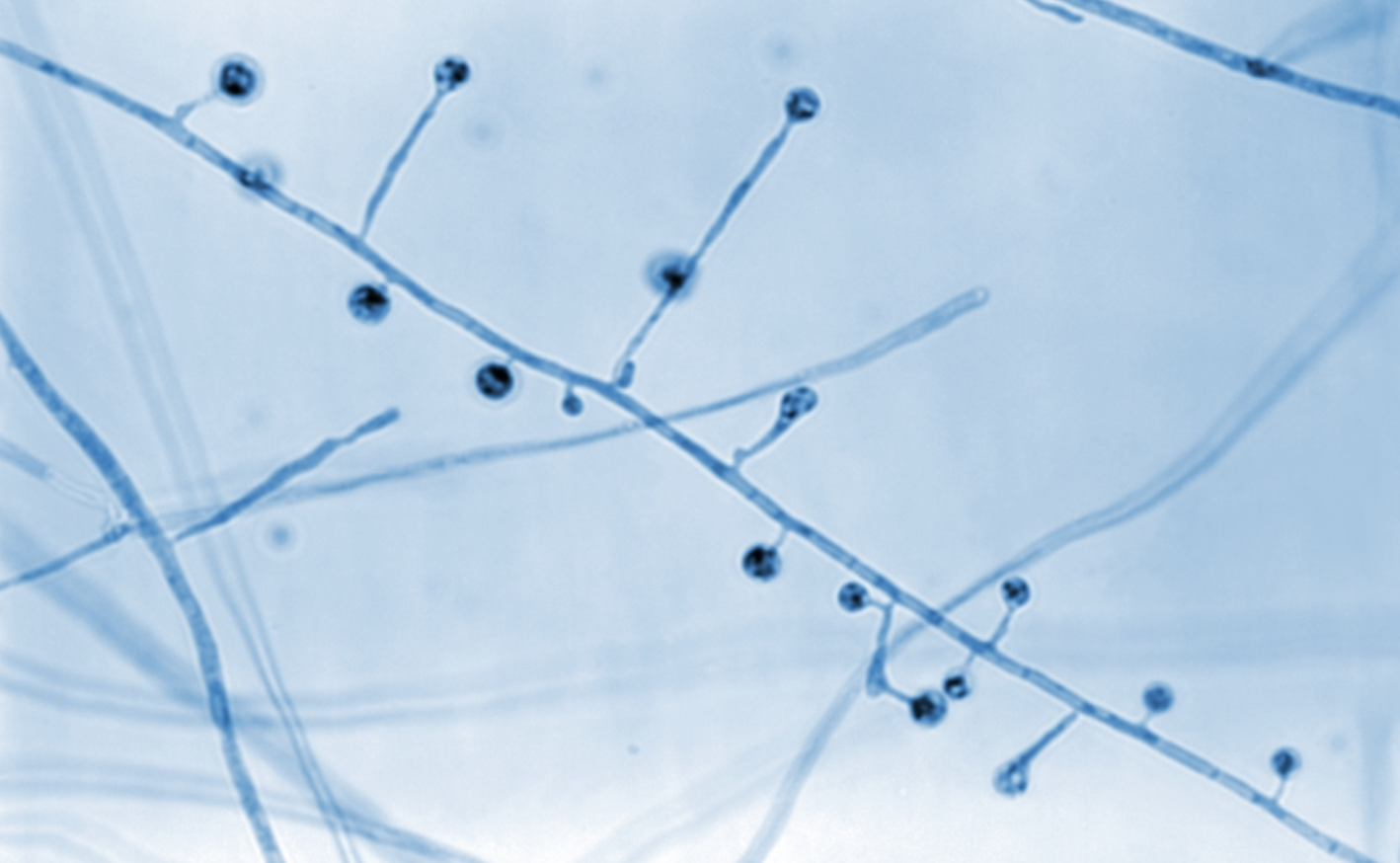
| Sporothrix schenckii | Associated with gardening; often transmitted via a thorn prick. | Pustules, ulcers, and subcutaneous nodules along the lymphatics. | Culture (25ºC): branching hyphae. Biopsy: round or cigar-shaped budding yeasts. |
| Coccidioides immitis | Southwestern states (desert areas). Mold form is present in soil. | Pulmonary form: flu-like illness, cough, erythema nodosum. Disseminated form: affects skin, bones, and lungs. |
Culture (25ºC): forms hyphae. Biopsy: at 37ºC forms thick-walled spherules filled with endospores. |
| Histoplasma capsulatum | Ohio and Mississippi River valleys. Soil, bird and bat droppings (chicken coops, caves). | Pulmonary: similar to tuberculosis (lung granulomas with calcifications). Disseminated: lungs, spleen, liver |
Culture (25ºC): branching hyphae. Biopsy: oval yeast cells within macrophages. |
| Blastomyces dermatitidis | Ohio and Mississippi River valleys, Great Lakes region. Found in soil. | Pulmonary: pneumonia. Disseminated form is common and severe. |
Culture (25ºC): branching hyphae. Biopsy: large, round yeasts with doubly refractile wall and single broad-based bud. |
| Paracoccidioides brasiliensis | Central and South America | Mucocutaneous: chronic mucocutaneous or cutaneous ulcers, can progress to lymph nodes and lungs | Culture (25ºC): multiple blastoconidia. Biopsy: cells covered in budding blastoconidia |